










PHILOSOPHY IS TIMELESS
A BOOK FROM THE CHANNEL

The Philosopher's Toolkit

40 mental tools from 2,500 years of thinking, in the philosophers' own words. One tool, one page, one thing to try today.

Get the Toolkit · $11 Read a free tool
Instant PDF download · Phone, tablet or computer
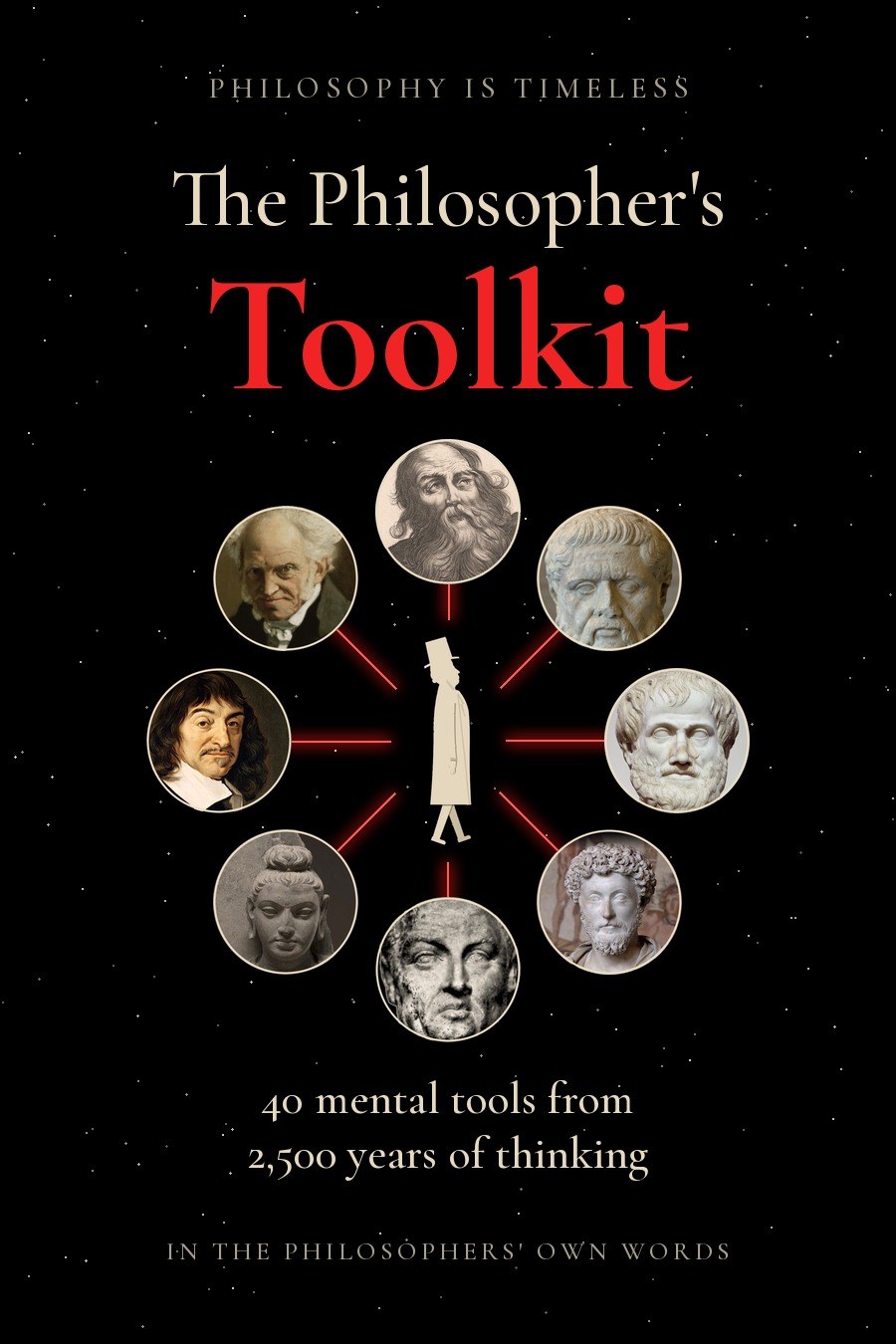
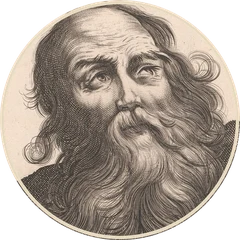
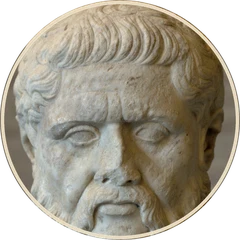
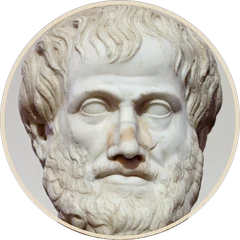
Cover of The Philosopher's Toolkit: eight philosophers' portraits in a ring, red threads leading to a cut-paper figure in the middle

Every philosopher left something you can use

On the channel we take one big question and walk it through history: what is real, what makes us happy, how to stop overthinking. This book keeps the part you can carry out of the video. Each philosopher's best idea, turned into a tool you can pick up the next time you need it.

No summaries of whole systems. No jargon. Just the tool, the words it came from, and a few minutes of practice.

25 PHILOSOPHERS, ONE BOOK
Socrates
Socrates
Plato
Plato
Aristotle
Aristotle
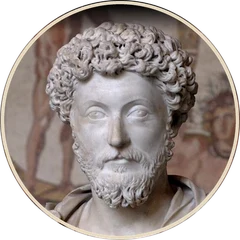
Marcus Aurelius
Marcus Aurelius
Seneca
Seneca
The Buddha
The Buddha
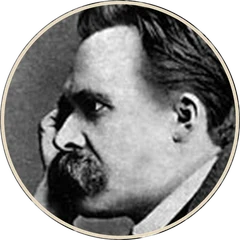
Nietzsche
Nietzsche
Confucius
Confucius
Laozi
Laozi
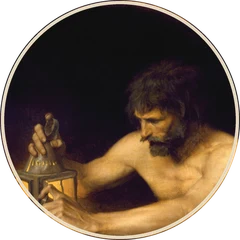
Diogenes
Diogenes
Epictetus
Epictetus
Descartes
Descartes
Kant
Kant
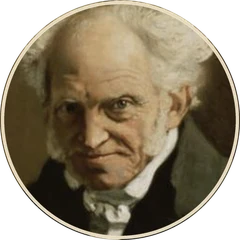
Schopenhauer
Schopenhauer
Voltaire
Voltaire
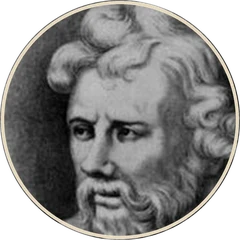
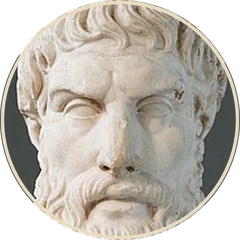
Epicurus
Epicurus
Montaigne
Montaigne
Spinoza
Spinoza
Kierkegaard
Kierkegaard
Pascal
Pascal
Zhuangzi
Zhuangzi
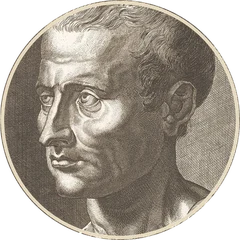
Cicero
Cicero
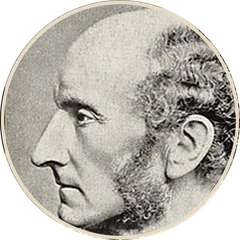
John Stuart Mill
John Stuart Mill
Bertrand Russell
Bertrand Russell
Wittgenstein
Wittgenstein

How every tool works

1

The problem

What it's for, in one line. A thought you keep replaying. Someone you can't stop comparing yourself to.

2

Their own words

The passage the tool comes from, with the book, section and translator, so you can find it yourself.

3

What it means

A short, plain explanation. Who said it, why, and what it asks of you.

4

Try it now

A two-minute exercise, plus a line on when to reach for it again.

A FREE TOOL FROM THE BOOK

Tool 4 · We suffer more in imagination

Seneca
Seneca
For: a fear that has already played out in your head a hundred times

"There are more things, Lucilius, likely to frighten us than there are to crush us; we suffer more often in imagination than in reality."

Seneca, Moral Letters to Lucilius, Letter 13 (tr. Richard M. Gummere)

What it means

Seneca was writing to a younger friend about fear. He doesn't pretend bad things never happen. What he notices is that most of the suffering arrives early, in rehearsal, and a lot of what we rehearse never shows up at all. He even sorts the ways a fear gets ahead of the facts: "some things torment us more than they ought; some torment us before they ought; and some torment us when they ought not to torment us at all."

Try it now · 2 minutes

  1. Write the fear down in one sentence.
  2. Ask Seneca's three questions. Is it hurting more than it ought? Before it ought? Or when it ought not to at all?
  3. If it's "before", write the date it could actually happen, and leave it until then.

Use it when you notice you're living through something that hasn't happened yet.

WHAT'S INSIDE

40 tools, sorted by what you're facing

Open the section for the problem in front of you. Every tool stands on its own.

I. When your mind won't stop

  1. The second arrow · the Buddha
  2. Show the fly the way out · Wittgenstein
  3. Judge the judgment, not the thing · Epictetus
  4. We suffer more in imagination · Seneca
  5. Walk straight out of the forest · Descartes
  6. Sit quietly in a room · Pascal
  7. Write the chimeras down · Montaigne
  8. Think it through at the right time, then stop · Russell

II. Things you can't control

  1. What's up to you, and what isn't · Epictetus
  2. The archer's aim · the Stoics, in Cicero
  3. Love your fate · Nietzsche
  4. Rehearse the worst · Seneca
  5. Be like water · Laozi
  6. Cook Ding's knife · Zhuangzi

III. Other people

  1. "What will people say?" · Schopenhauer
  2. The morning list · Marcus Aurelius
  3. No one does wrong willingly · Socrates
  4. Look in yourself first · Confucius
  5. Need less, be harder to move · Diogenes
  6. Three kinds of friends · Aristotle

IV. Wanting and happiness

  1. The middle path between two mistakes · Aristotle
  2. Happiness is something you do · Aristotle
  3. Natural and empty desires · Epicurus
  4. The pendulum of wanting · Schopenhauer
  5. Don't ask if you're happy · Mill
  6. Enough · Seneca

V. Time and death

  1. Life isn't short, we waste it · Seneca
  2. The view from above · Marcus Aurelius
  3. The same life, forever · Nietzsche
  4. Where death is, we are not · Epicurus
  5. To philosophize is to learn to die · Montaigne

VI. Thinking clearly

  1. Know what you don't know · Socrates
  2. Four rules for a clear head · Descartes
  3. Question the shadows · Plato
  4. Understand a feeling and it loosens · Spinoza
  5. What if everyone did it? · Kant

VII. Living it

  1. Understood backwards, lived forwards · Kierkegaard
  2. Become who you are · Nietzsche
  3. You become what you repeat · Aristotle
  4. Cultivate your garden · Voltaire
The Philosopher's Toolkit cover

Keep the tools within reach

  • 40 tools from 25 philosophers, in seven sections
  • Every quote with its source and translator
  • A two-minute exercise with every tool
  • Designed in the channel's black-and-red style
  • PDF, readable on any device
$11
Get the Toolkit 3-day money-back guarantee

Questions

Do I need to know any philosophy?

No. Each tool explains its idea from scratch in plain English. If you've watched the channel, you'll recognise a few faces.

Where do the quotes come from?

From the philosophers' own works, in public-domain translations. Every quote names the book, the section and the translator, so you can look it up.

Is this therapy or self-help?

It's a book of tools for thinking, drawn from philosophy. It isn't medical or mental-health advice, and it isn't a substitute for professional help.

What format is it?

A PDF you download right after buying. It reads well on a phone, tablet or computer.

Need help?

Email [email protected] with any question about your order or download. You also have a 3-day money-back guarantee.